Colour is one of cinema’s most important narrative tools. It can change how we perceive a space, establish atmosphere, support emotion and help images shot in very different conditions belong to the same visual world.
A coherent cinematic image requires more than applying a look in post-production. Across a film, colour needs to support the work as a whole, respect decisions made during the shoot and respond to the technical demands of delivery.
When a director or production company looks for film colour grading and colour correction in Galicia, both artistic sensitivity and a reliable workflow matter. TRIPLE Q provides colour grading and colour correction for film and audiovisual projects from Galicia, in person or remotely.
Our approach starts with one idea: a colourist should not merely correct an image, but help build its visual identity. This guide explains the role of cinematic grading, the process behind it and what to consider before hiring a colourist.
In Galicia, these services can be found through post-production studios, audiovisual companies and independent colourists. Physical location does not have to limit a collaboration: the essential thing is to agree on a working method, references, review and delivery that fit the real needs of the film.
View TRIPLE Q audiovisual services ↗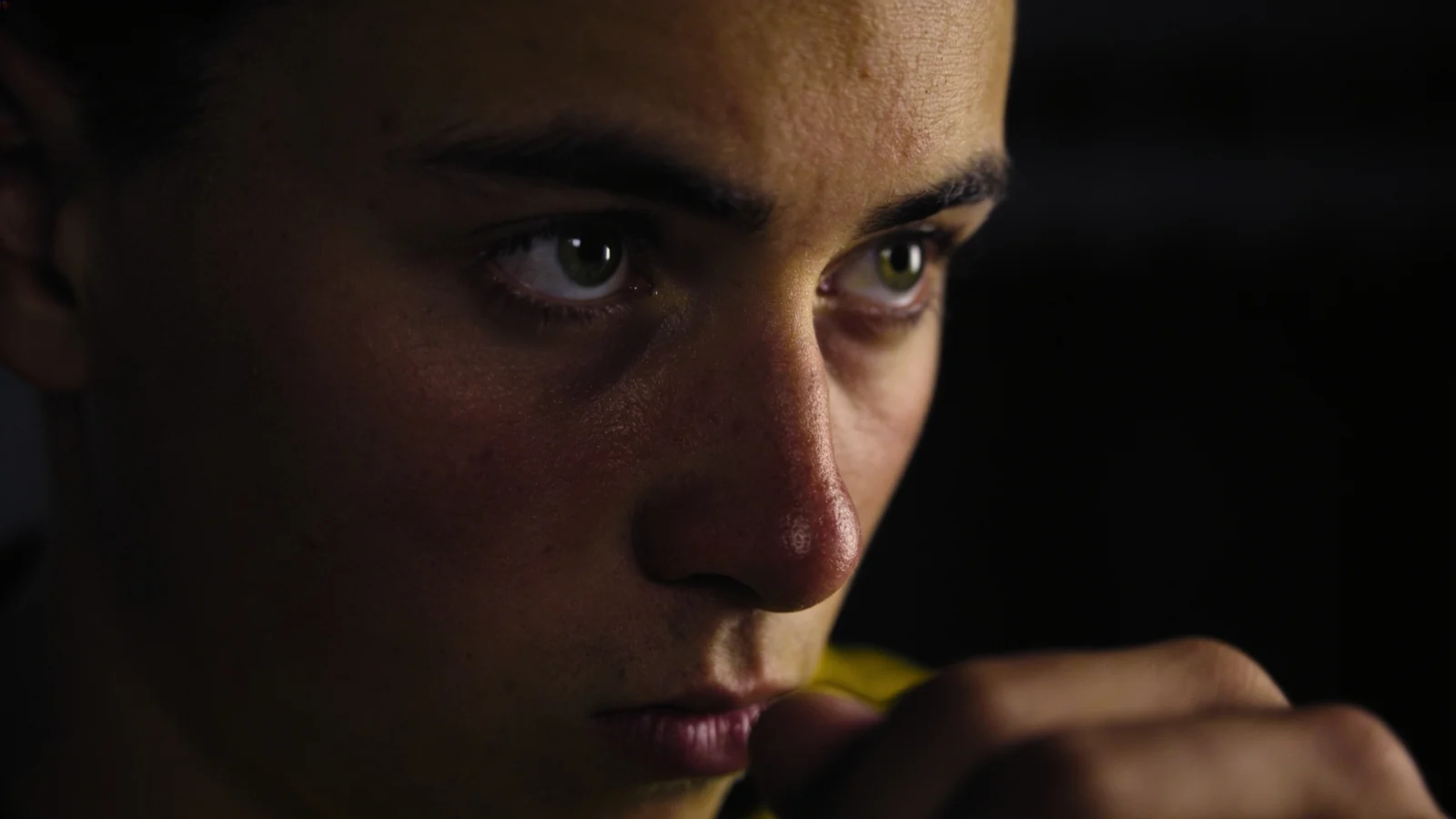
What is cinematic colour grading, and how is it different from colour correction?
The terms are often used together, but they serve different needs. Colour correction establishes a technically balanced base: exposure, contrast, white balance, colour reproduction and consistency between shots made in different conditions.
Creative grading uses that base to build an aesthetic proposal. Colour relationships, contrast, skin tones and highlight treatment can all develop a film’s particular language. In a professional workflow, correction and grading are closely connected rather than completely separate stages.
A cinematic look should not be built in isolation
An individual shot may look extraordinary yet fail beside the rest of a sequence. The aim is not a series of attractive stills, but a visual treatment that carries the whole film. Continuity, transitions between spaces and the story’s development all matter when working on colour.
What makes grading for a film different?
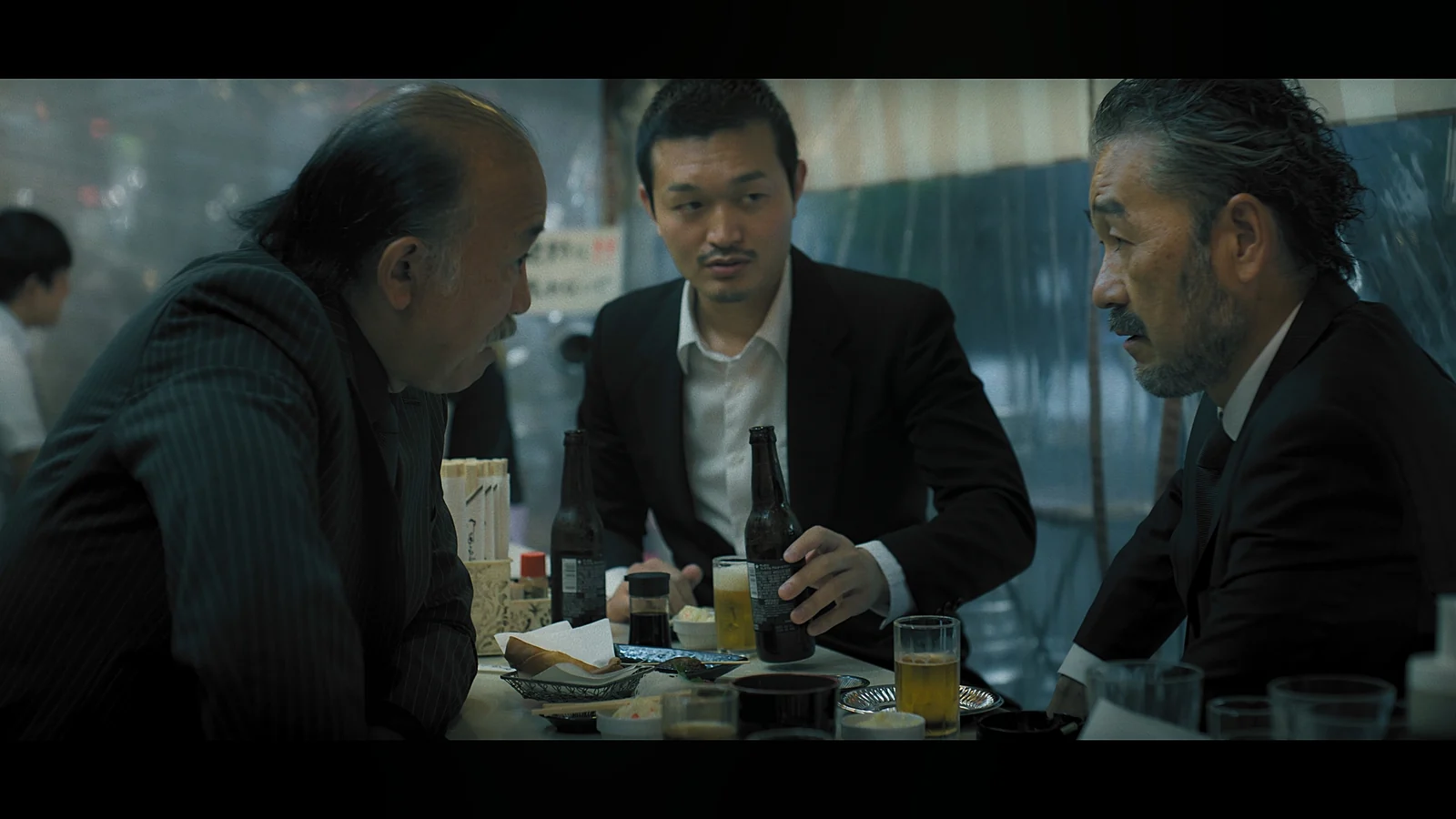
Colour grading is part of music videos, commercials, documentaries and digital work, but film can bring particular demands: different locations, environments, lighting conditions and delivery requirements within the same piece. The task is to create global coherence without removing the personality of each place.
Antón Freire, colourist at TRIPLE Q, puts it this way: “In a film production, you have to create a look that remains coherent across every space in the piece. That makes colour work more demanding, especially when you also need to consider the different exports and finishing processes required by each viewing medium.”
A visual identity across locations
A forest, home, hospital or night exterior each has particular colour and lighting conditions, and may have been shot on different days, with different sources or cameras. The colourist’s task is not to erase every difference, but to let each place keep its personality within a shared language and avoid unintended shifts between sequences.
Preparing the work for different viewing environments
An SDR Rec.709 delivery is not the same as an HDR master or a cinema exhibition workflow. Each can require specific decisions around colour space, transfer curve, monitoring, luminance and exports. That is why deliverables should be defined early: grading does not necessarily end when the look is approved.
The relationship between director, cinematographer and colourist
Colour should not be detached from the shoot. Its strongest results come from communication between direction, cinematography and colour. The director holds the broader view of the work; the Director of Photography develops that intention through light, exposure, lenses and composition; the colourist then develops the chromatic and tonal possibilities of the recorded material.
The colourist as a creative collaborator
At TRIPLE Q, we see that relationship as one of professional trust. Hiring a cinematographer means hiring more than technical knowledge: it also means trusting judgement and a way of reading a scene. A colourist should respect the visual direction of the work while having room to propose alternatives and spot possibilities that were not apparent during the shoot.
As Antón puts it: “The colourist is the cinematographer’s best friend. An experienced colourist looks at a production through a very specific lens: colour. That allows them to focus on aspects that may not have been considered before.” That creative margin is not a departure from the visual direction, but a way of proposing solutions within it.
In some projects, bringing the colourist in during pre-production helps with camera tests, visual references or the planned colour-management workflow. The ideal process is a dialogue between specialists, not one imposed view.
Explore cinematography services ↗How TRIPLE Q approaches colour grading and colour correction
Every project has its own scope, but our process brings together analysis, image correction, visual development and finishing to build a coherent proposal.
1. Moodboard and visual references
Before changing colour, we need to understand the intended result. A moodboard brings together references from direction, the cinematographer’s proposal and the possibilities of the footage: film stills, photography, palettes or lighting references. It is a way to discuss contrast, skin, saturation, temperature and the relationship between light and shadow, not to copy another film.
2. Primary correction and balancing
We then balance the footage and establish an appropriate interpretation for each shot within the chosen colour workflow. Exposure, contrast and colour balance are reviewed, while unintended differences between shots are reduced. That base makes it possible to develop the look with control.
3. Skin, look development and secondary corrections
With the footage balanced, we deepen its visual identity. Skin tones, shadows, midtones, highlights, colour density and contrast shape the character of the image. Where needed, secondary corrections can address specific regions, colours or objects without unnecessarily affecting the rest of the frame.
4. Advanced treatments and finishing
Depending on the agreed look, finishing may involve depth maps, texture, grain, glow or diffusion. These tools only make sense when they serve an aesthetic decision and remain coherent with the film. The aim is a visual identity, not a collection of post-production effects.
5. Review and delivery finishing
Approving the look does not necessarily close the process. We review consistency across sequences, resolve the agreed adjustments and prepare final versions within the defined deliverables. Separating creative decisions from technical finishing helps each master be generated and checked with the right criteria.
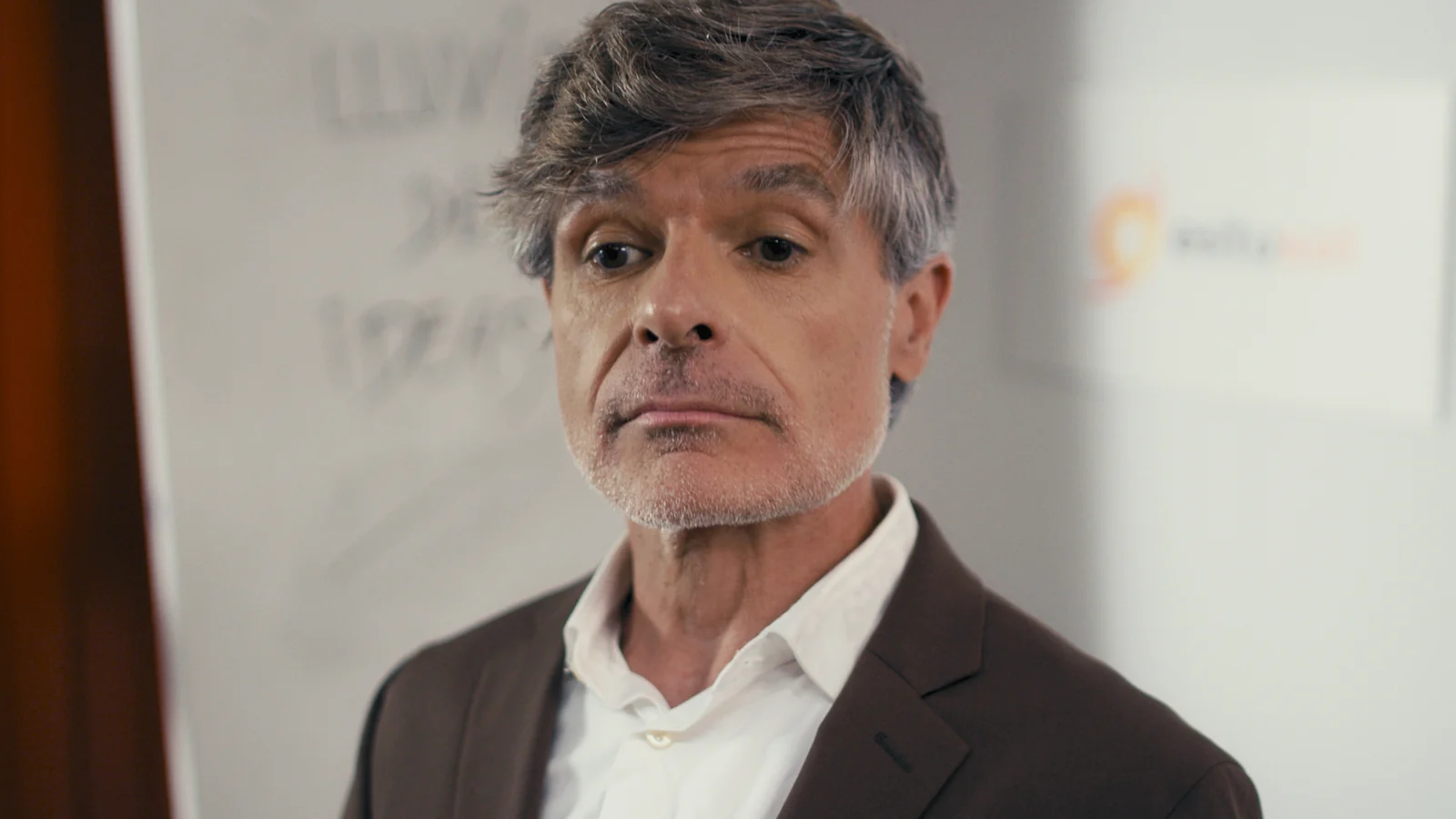
Colour management and film deliverables
Footage from different cameras may use different log curves, gamuts and image transforms. Colour management organises how that information is interpreted and transformed through post-production. Depending on the project, DaVinci YRGB Color Managed or ACES-based workflows may be appropriate; there is no universal configuration for every film.
The destination of the film matters too. SDR Rec.709 is common for many video and digital deliveries, while HDR needs deliberate planning and appropriate monitoring. For cinema exhibition, colour space, mastering and packaging — including a DCP — need to be defined and validated as part of the delivery workflow, rather than improvised at the end.
The same technical transform does not guarantee that a film will be perceived in exactly the same way everywhere. We therefore distinguish creative look development from the technical work required to create, check and approve each delivery master.
Remote colour grading with a colourist in Galicia
Remote grading is viable for many film and audiovisual productions when technical and communication conditions are agreed clearly. It allows teams in Madrid, Galicia or elsewhere to collaborate without arranging a physical session for every stage, but it needs a considered procedure for transfer, review and validation.
Antón sees remote grading as a useful way to reduce some logistical needs, but it calls for a colourist who is used to this kind of collaboration. Receiving files, applying a treatment and sending them back is not enough: a review, communication and validation method is needed.
A remote workflow can meet professional standards, but an ordinary video call is not automatically a reference-monitoring environment. Displays, settings, room conditions and transmission can change how colour is perceived. Especially demanding approvals may require in-person sessions, dedicated remote-review systems or extra validation.
How to prepare a film before sending it to colour
1. Confirm picture lock
The main conform and grade are best started from an approved edit. Later changes can affect the project organisation and require adjustments to be repeated, so pending changes should be communicated before work begins.
2. Prepare the files properly
Depending on the agreed workflow, a colourist may need original media, consolidated files, transcodes or XML, AAF and other compatible exchanges. The important point is to confirm that they retain the needed information and relate correctly to the reference edit.
3. Include an editorial reference
A reference export helps check framing, shot order, transitions and effects. Visible timecode can be especially useful during conform.
4. Share visual references
Share moodboards, camera tests, look references and LUTs used in editorial, separating creative references from technical transforms. It gives the conversation about the look a common starting point.
5. Define deliverables
Before work begins, resolution, aspect ratio, frame rate, colour space, format and distribution should be known. These conditions can affect the post-production workflow and prevent unplanned additional masters at the end.
What to consider before hiring a professional colourist
1. Visual style
A portfolio can reveal aesthetic preferences. Some colourists have recognisable treatments, while others take a more flexible approach from project to project. Neither is automatically better: the relevant question is whether their work connects with the film’s needs.
2. Adaptability
A controlled interior production does not bring the same challenges as an exterior documentary or a project with material from several cameras. The ability to adapt to different footage, exposures and visual approaches is especially valuable.
3. Consistency between shots
Look at complete sequences: continuity between angles, skin rendition and transitions between locations tell you more than a single still selected for social media.
4. Technical knowledge and review process
Ask about colour management, conform, camera formats, deliverables, reviews and technical requirements. Different productions need different workflows, but every one needs a process suited to its aims.
5. Review several works
Reviewing three or four pieces rather than deciding from one project alone shows versatility and consistency more clearly. As Antón says, “Colourists are not magicians, although at times it may almost seem that way.”
Where can you hire professional colour grading services in Galicia?
For a short film, feature, documentary or another film production, you can look at post-production studios, audiovisual companies and independent colourists. Share a description of the project, its current stage, technical requirements and, where confidentiality allows, a small selection of stills or visual references.
TRIPLE Q provides colour correction and grading for audiovisual projects, from conceptual look development to final image treatment within the agreed technical scope. The studio’s cinematography experience helps us approach colour in dialogue with capture decisions and maintain fluid communication with direction and the DoP. We also consider remote collaborations beyond Galicia.
Discover TRIPLE Q colour grading services ↗Frequently asked questions about film colour grading and colour correction
What is the difference between colour correction and colour grading?
Correction establishes a technically balanced and coherent base; creative grading develops the production’s aesthetic and narrative identity. The two processes are usually closely connected.
Can I hire a colourist in Galicia for a film shot elsewhere?
Yes. Remote grading allows collaboration from different locations when file exchange, communication and review are organised well.
Is RAW mandatory for professional grading?
No. Professional grading can be performed on different recording formats, though the technical characteristics of the footage affect the available latitude in post-production.
When should I contact a colourist?
The main grading process usually happens in post-production, but on some projects it is useful to involve a colourist during pre-production to establish references, run tests or define parts of the technical workflow.
Does a colourist also make the DCP?
Not necessarily. DCP creation and validation may be an additional mastering or finishing service, so deliverables and responsibilities should be agreed before work starts.
How many reviews should a grading service include?
There is no universal number. Define the number and scope of reviews, who consolidates feedback and who approves the result before the process begins.
Can the same quality be maintained remotely?
A well-planned remote workflow can produce professional results. Viewing and approval conditions must be adapted to the demands of the project, especially where colour needs to be evaluated with precision.
Conclusion: a colourist is part of a film’s point of view
Cinematic grading is not simply a stage for making images look better after a shoot. It is a technical and creative discipline involved in building a work’s visual language. Coherence between locations, character continuity, light and delivery requirements make colour a substantial part of post-production.
When hiring film colour correction or grading in Galicia, look beyond one striking frame: review several works, understand the method and establish clear communication between direction, cinematography and colour. At TRIPLE Q, we believe a colourist brings technical knowledge as well as a point of view.