Do you need a wedding filmmaker with a drone and a 4K camera?
Not necessarily. A drone and a 4K camera can bring more resources, a greater variety of shots and more freedom in the edit, but they do not guarantee a better wedding film on their own.
What still makes the difference is:
- narrative;
- anticipation;
- visual judgement;
- lenses;
- lighting;
- editing;
- colour;
- the ability to adapt to the couple’s style.
Equipment helps. Judgement decides how to use it.
Quick summary
| Question | Answer |
|---|---|
| Does a drone improve a wedding film? | It can bring context, scale and a variety of shots |
| Is 4K essential? | No, but it gives more flexibility in post-production |
| What matters more than 4K? | Lenses, judgement, light, narrative and editing |
| Does more equipment mean a better video? | Not necessarily |
| What does TRIPLE Q look for? | Bringing a cinematic visual language to the wedding |
What does a drone really add to a wedding?
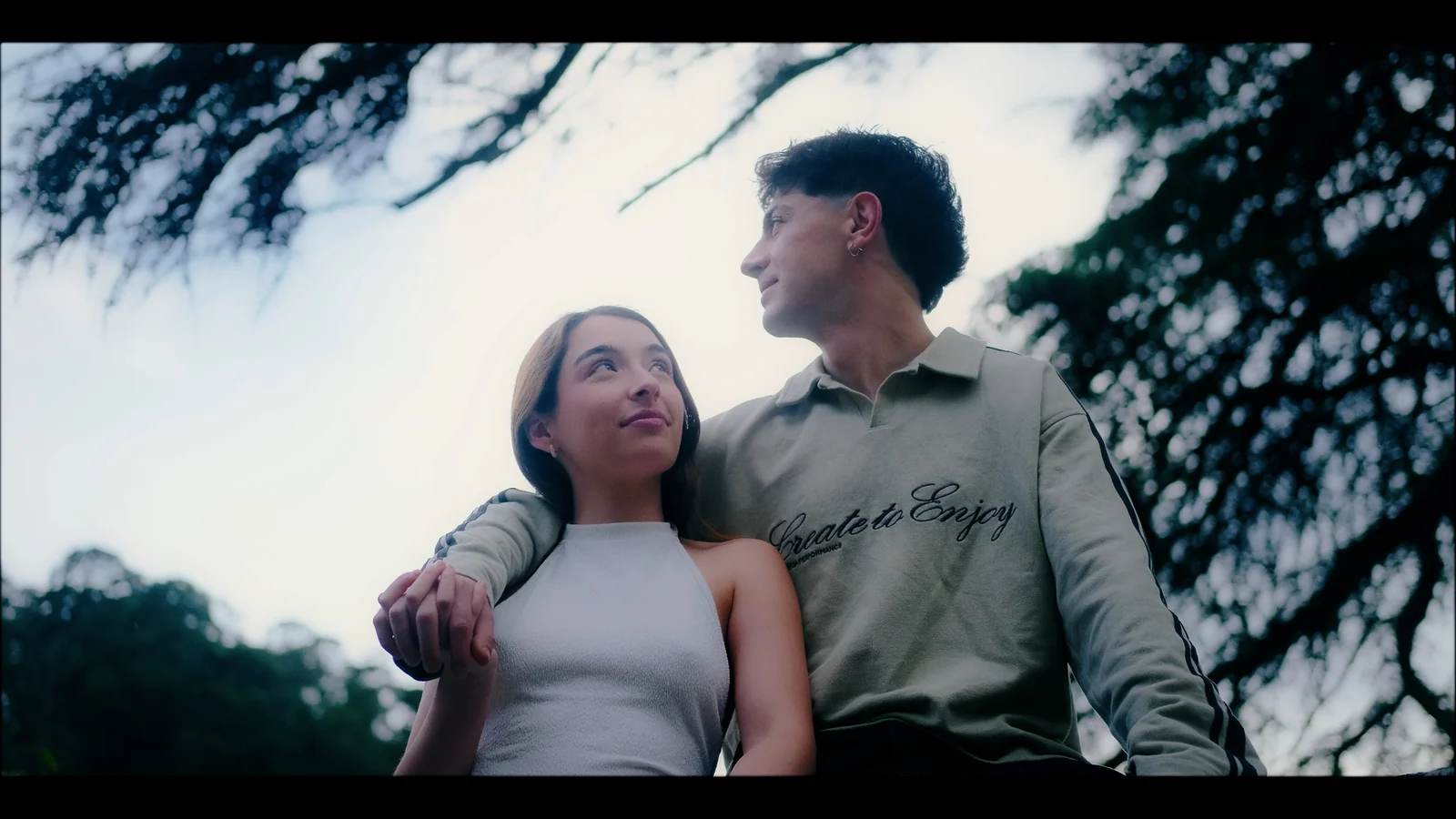
Above all, context and production value. When the location brings something to the story, a drone can show elements that would be difficult to convey from the ground.
It can help show:
- a country estate;
- a historic manor house;
- a coastal setting;
- a church;
- a rural landscape;
- the scale of a space;
- the relationship between the couple and their surroundings.
That adds another visual layer. It also gives the editor a broader range of shots, and the more varied material there is, the more freedom there is to build rhythm, transitions and breathing room within the film. A drone is not only for getting “a pretty shot”; it opens narrative possibilities.
When does it make sense to use a drone at a wedding?
It makes sense when the location contributes something. If a wedding takes place in a setting with personality, a drone can help establish where the story is happening. It can also work as a transition between moments or spaces.
It should not be used simply because it is available. If it adds no information, atmosphere or variety, it can become a gratuitous device. The aim is not to prove that a drone exists, but to use it when it improves the film.
Does 4K really improve a wedding video?
4K is useful, but not essential. It is often sold as a technical selling point because it is easy to communicate. Its main value is not being able to put “4K” on a website, but the flexibility it offers during production and post-production.
Working at a higher resolution can make it possible to:
- reframe;
- stabilise;
- correct small composition issues;
- adapt formats;
- crop for vertical pieces;
- retain more room in the edit.
All of that can indirectly improve the final result. But a poorly filmed wedding in 4K is still a poorly filmed wedding.
4K does not automatically mean cinematic quality
Resolution is only one technical characteristic. A camera can record in 4K and produce an entirely generic image. Another production can work at a lower resolution and have better light, stronger lenses, more considered composition, movement, colour and narrative.
That is why 4K alone is not a particularly useful criterion when choosing a wedding filmmaker. It is a tool, not a guarantee.
What equipment matters most at a wedding?
For TRIPLE Q, lenses are among the most important elements. Lighting comes next. This relates to a particular quality of weddings: filming one is much closer to hunting than constructing.
In commercials, fiction or music videos, it is often possible to prepare a scene, control the space, repeat an action, move a light or adjust a position. At a wedding, much of that does not exist: moments appear and disappear. Equipment therefore has to make quick reactions possible.
Why are lenses so important?
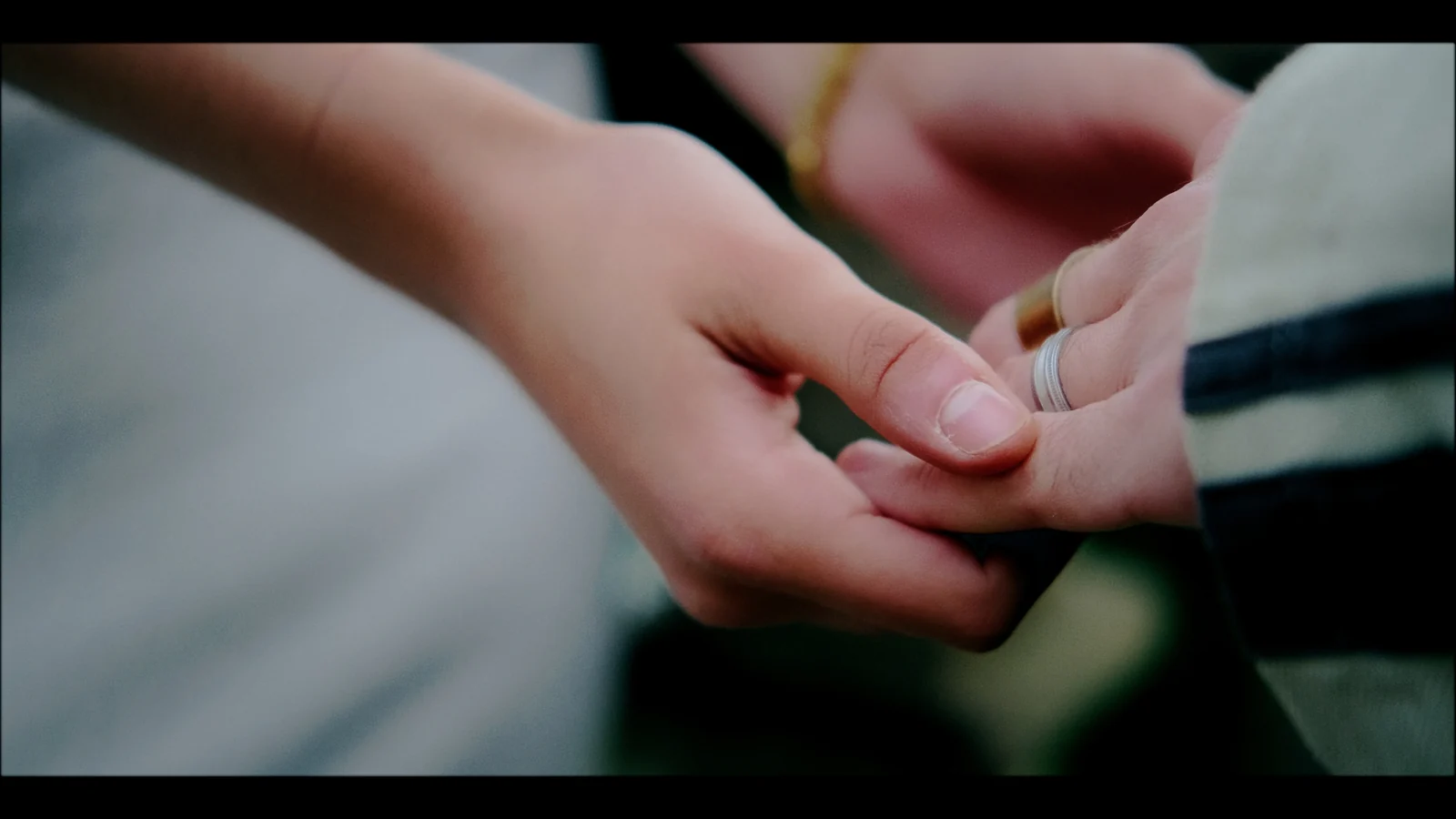
Because they shape much more than resolution. Lenses affect:
- character;
- contrast;
- flare;
- depth;
- separation;
- texture;
- highlight behaviour;
- the overall feeling of the image.
Two cameras can record at exactly the same resolution and create completely different sensations depending on the lenses used. That is why lenses carry so much weight when the aim is a cinematic wedding film.
What about lighting?
Lighting is the next key element. It does not mean turning a wedding into a film set: that would be impractical and, in many cases, intrusive. It means knowing when an intervention is useful.
It can help to:
- improve preparations;
- control an interview;
- shape a particular moment;
- work with a couple session;
- strengthen an atmosphere when the existing light does not help.
Lighting should adapt to the wedding, not force the wedding to adapt to the lighting.
What role do stabilisation and filters play?
They are complementary tools. Stabilisation can help control certain movements, and filters can help with exposure, reflections or particular lighting conditions. They are useful resources, but they are not usually what defines the final result.
A filmmaker can have a gimbal, filters, a drone, a 4K camera and a stabiliser, and still make a video that does not match what a couple wants. Equipment does not replace style.
Is it a mistake to choose a videographer because they offer “4K + drone”?
It can be if that is the main criterion. There is nothing wrong with those resources; on the contrary, they can elevate a production. The problem begins when having tools is confused with knowing how to tell a story.
A wedding videographer can work with a 4K camera and a drone while having a style that does not suit you at all. The question should then be: can they adapt?
Equipment and judgement are not the same thing
This is probably the most important idea. Equipment expands possibilities. Judgement decides which ones to use.
A professional with more resources can:
- cover more situations;
- create more variety;
- react more effectively;
- have more options in the edit.
But those resources only have value when there is an intention behind them. A badly used drone is still an unnecessary shot. A poorly operated 4K camera is still a weak image. A badly chosen cinema lens does not solve a poor decision.
What should a couple review besides equipment?
The portfolio, and not only the strongest five seconds of every video. Watch several complete pieces and ask whether you like how the stories are told, the colour, the rhythm, whether the image feels cared for, whether the work is consistent, whether moments feel natural and whether the style fits what you are looking for.
That is usually much more useful information than a list of technical specifications. For coverage and budget, you can also read our guide to wedding videographer prices.
Read wedding videographer prices in Galicia ↗What does “cinematic style” mean at a wedding?
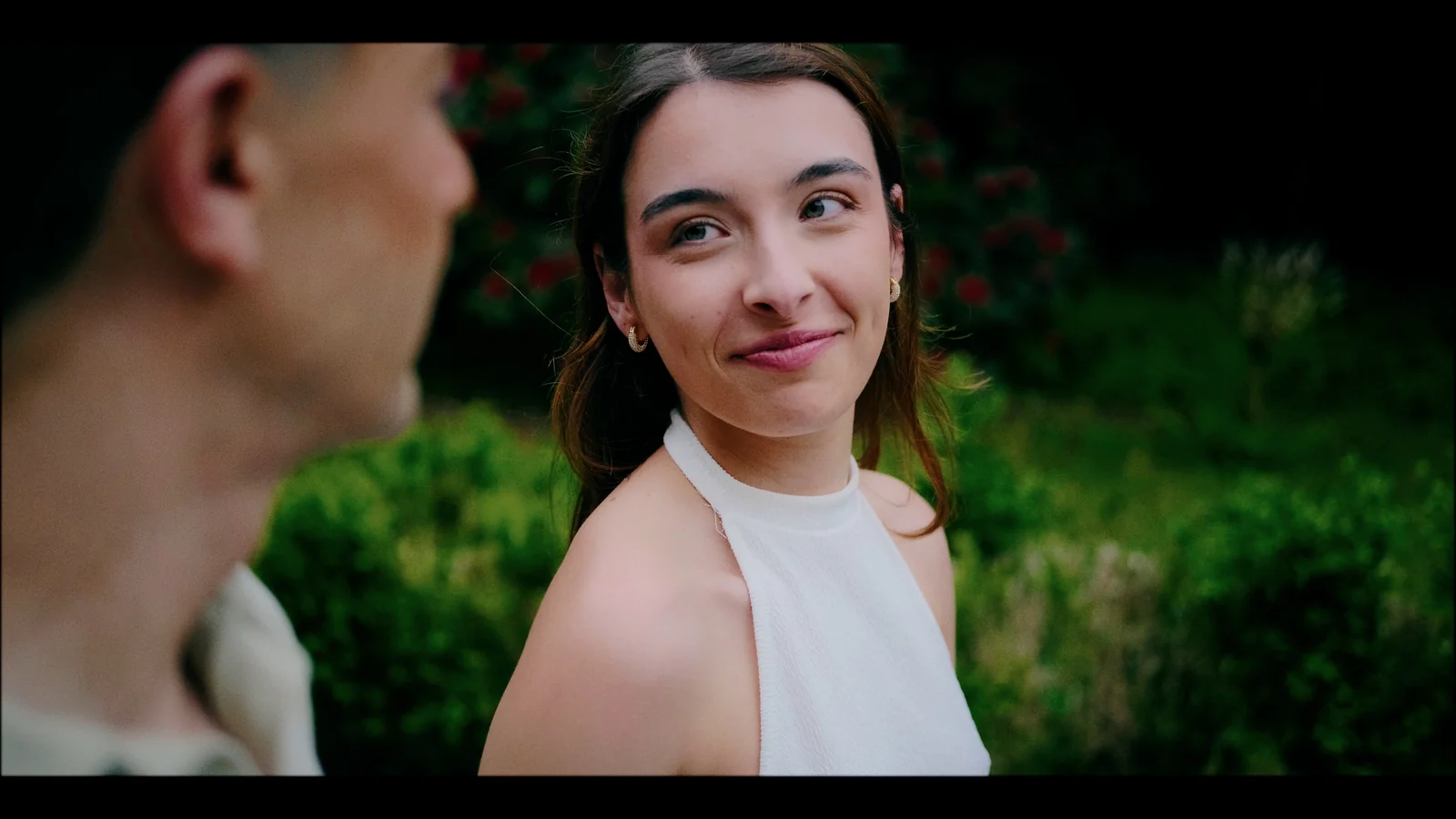
It does not mean making a wedding look like a fiction film, nor filling everything with slow motion. For TRIPLE Q, it is more about applying standards and criteria rooted in cinema:
- lenses;
- treatment of light;
- composition;
- movement;
- colour;
- rhythm;
- selection of moments;
- visual coherence.
The aim is to bring that language to a real event without losing naturalness.
How TRIPLE Q approaches weddings
TRIPLE Q begins with a simple idea: a good story does not depend on equipment. That does not mean equipment is unimportant. The studio works with certain standards because they fit the result it wants to make.
That is why it uses:
- cinema lenses;
- lighting when it is needed;
- cameras able to work with sufficient latitude;
- tools that help maintain a coherent visual style.
Not because the aim is to show equipment, but because those tools help make the kind of image TRIPLE Q wants to build.
Explore wedding filmmaker services in Galicia ↗Is a drone included in every package?
Not necessarily. A drone makes sense in coverage where it genuinely adds value and can form part of more complete packages. The decision depends on the service booked, the location, flight conditions and the wedding’s visual approach. It should not be understood as an obligatory resource.
Does a 4K camera change the final result?
It can help, especially in post-production. Higher resolution gives more flexibility. But resolution does not determine style, emotion, narrative, editing quality or the way colour is worked. The camera is part of the process, not the entire process.
Is a filmmaker with a lot of equipment better?
Not necessarily. What matters is that the professional has the tools needed to achieve the result they promise. Some projects can be resolved with a very light structure; others need two filmmakers, several cameras, a drone, lighting, sound and particular lenses. The structure should respond to the wedding, not the other way around.
What does working with two filmmakers add?
It makes it possible to cover more situations at the same time. At a wedding, preparations, entrances, reactions, speeches and spontaneous moments can all happen simultaneously. Two operators can extend coverage and create more options in the edit.
That does not automatically mean a better result, but it increases the possibilities. If you are assessing professionals and portfolios, our guide to hiring a wedding filmmaker in Galicia can also help.
How to choose a wedding filmmaker in Galicia ↗Drone, 4K and cinema: tools, not guarantees
A drone brings context. 4K brings latitude. Lenses bring character. Lighting brings control. But none of these things replaces a good decision.
A film works when all of those resources serve a story. So, when looking for a wedding filmmaker in Galicia with a drone and 4K cameras, it can be useful to check that the professional has those tools. But it is more important to check what they do with them. The difference between having resources and making a film lies in judgement.
Frequently asked questions
Is it essential to film a wedding in 4K?
No. 4K brings flexibility and latitude in post-production, but it does not guarantee a better film on its own.
Is it worth using a drone at a wedding?
It can be very worthwhile if the location has visual value and the shot adds context or variety to the story.
What equipment matters most in wedding video?
Alongside the camera, lenses and lighting have a very important influence on the final image.
Do better cameras mean a better wedding video?
Not necessarily. Equipment expands possibilities, but judgement, narrative and execution remain decisive.
What should I look at before hiring a filmmaker?
Portfolio, narrative, colour, editing, consistency, style and the ability to adapt to what the couple is looking for.
Does TRIPLE Q work with a cinematic style for weddings?
Yes. TRIPLE Q brings a cinematic visual language to weddings through lenses, lighting, composition, colour, editing and a thoughtful selection of moments.