When a business starts looking for corporate video production companies in Pontevedra, there is usually already a concrete need: introduce the company, explain a service, refresh its image, attract clients, support a campaign or communicate a new stage.
The difficulty is that people often begin with the format before defining the objective. “We want a corporate video” sounds clear, but it leaves the important questions unanswered.
What should the film achieve? Who is it for? What should viewers remember? What perception should it create? Where will it be seen?
A corporate video can take many forms: documentary, narrative, advertising, testimonial, institutional, a brand piece, a product presentation or a mixture of approaches.
Choosing a production company should therefore be about more than comparing quotes or cameras. The useful question is this:
Which company can turn the objective of your business into an audiovisual piece with intent?
At TRIPLE Q, we see three elements as fundamental: creativity, organisation and technical quality. Organisation makes the project possible. Technique ensures it is properly executed. Creativity is what can make it memorable.
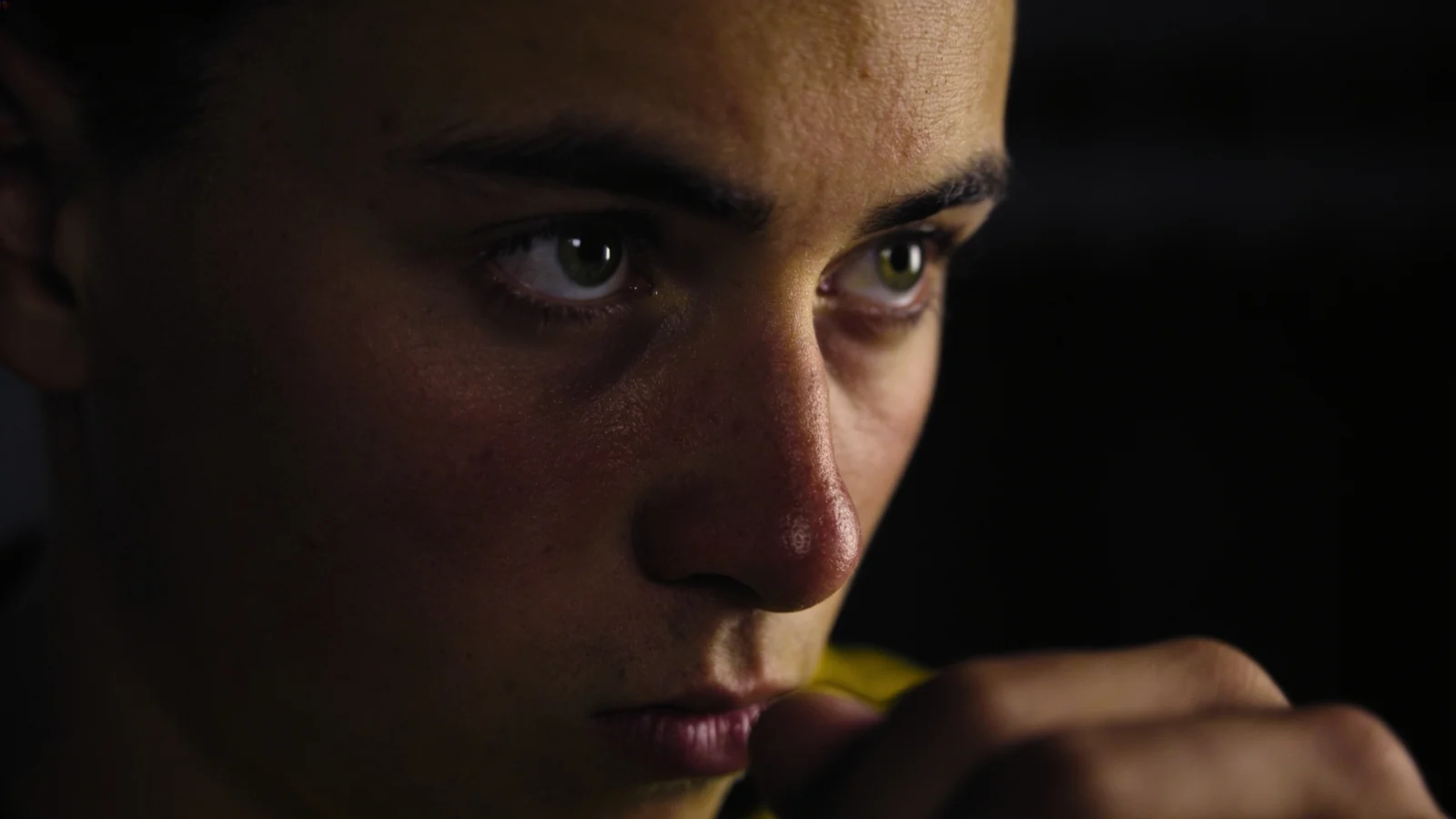
What should distinguish a strong corporate video production company?
Professional audiovisual production brings together different disciplines. It is not enough to place a camera in front of a person, light an interview correctly and add music during editing.
All of that can be technically sound and still result in a completely forgettable film. From our perspective, a strong production company works around three pillars.
Creativity
For TRIPLE Q, this is one of the most important factors. A corporate video should have an idea behind it.
That does not have to mean an extravagant concept or complicated narrative. It can simply mean finding a more interesting way to introduce what makes a company distinct.
Creativity can appear in the concept, structure, script, cinematography, lighting, art direction, editing, sound design or colour treatment. A piece can be understated and still have a personality; the important thing is avoiding a result that feels like a reusable template for any business.
Organisation
Creativity without structure creates problems too. A production needs planning: meetings, script, resources, locations, schedules, crew, technical equipment, filming, post-production, reviews and delivery all need coordinating.
When that organisation fails, delays, improvised decisions and avoidable problems follow. For us, organisation is not an unusual differentiator; it is a basic requirement.
A professional production company should be able to explain what will be done, in which order, what it needs from the client, the planned dates, the deliverables and how revisions work.
Technical quality
The third element is execution. An excellent idea can lose its force if cinematography, sound, editing or finishing do not meet the level of the concept.
Technical quality means understanding which tools each project needs and using them properly. It does not mean always choosing the most expensive kit. Cinema cameras, particular lenses and professional lighting systems expand creative possibilities, but only when backed by judgement and experience.
For us, shooting well is the minimum. It should not be a production company’s main selling point.
The problem with many corporate videos: once you have seen one, it feels like you have seen them all
There is a corporate aesthetic that has been repeated for years: an exterior of the building, someone walking through a door, employees speaking at a computer, hands typing, a frontal interview, a drone, the team walking and a logo.
None of these devices is necessarily wrong. The problem begins when they are used automatically, without asking whether they mean something for the specific company.
Many films then share the same visual language, structure and tone. The people and logo change, but the video could belong to any brand.
Images without intent
A beautiful image is not enough. Every shot should serve a function: give information, build atmosphere, introduce a person, carry an emotion or shape a perception of the brand.
When visually correct images are simply accumulated, the video loses structure. The viewer may have watched a polished production but still not remember what it was trying to say.
Videos without structure
The same issue can appear in the edit. A sequence of attractive shots does not automatically make a narrative.
Even a relatively simple corporate piece needs progression. It needs a beginning, development and conclusion, even if it does not use a conventional narrative form. The viewer needs to know where they are entering and why they should keep watching.
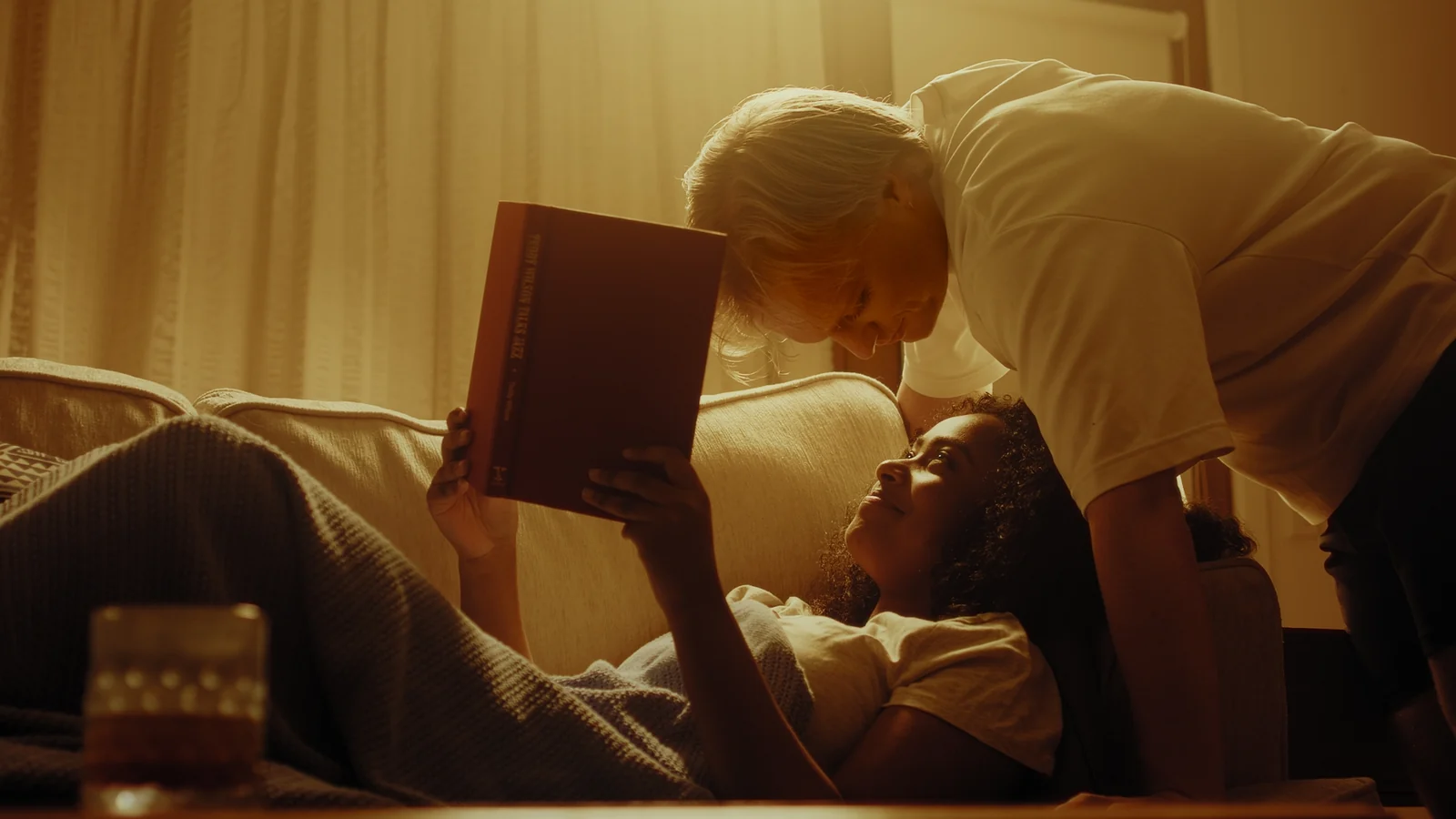
A corporate video does not have to look corporate
One of the biggest mistakes is assuming that “corporate video” necessarily describes an aesthetic. It mainly describes a function.
A business may need to communicate who it is, explain what it does or present its values. That communication can take very different forms.
Documentary approach
For some companies, an observational approach makes sense: real processes, real people and everyday situations. It works especially well where the company’s value lies in its craft, its team or its way of working.
Advertising approach
Another business may benefit from a more conceptual piece. Rather than explaining its activity literally, a campaign can be built around one clear idea. This is where creative direction, staging, art direction and cinematography play a stronger role.
Explore our commercial production approach.
Narrative approach
It is also possible to tell a small story. A narrative piece can communicate brand values without turning the video into an institutional presentation.
Testimonial approach
Interviews with clients, employees or company leaders can be highly effective when there is a real story worth telling.
The same principle applies throughout: format should answer the objective, not habit.
How we approach a corporate video for a business in Pontevedra
Every project has different needs, but there is a process that helps develop a coherent proposal.
1. Define the objective
Before thinking about cameras, lighting or locations, we need to understand what the business wants to achieve. The first questions are simple: what kind of video are you looking for, what is the final objective, and do you have an aesthetic in mind?
It is completely normal for a client not to have every answer yet. Part of a production company’s work is helping to find them.
2. Build a moodboard
Once the objective is understood, we build references. A moodboard translates abstract ideas into concrete images: lighting, colour, composition, locations, wardrobe, art direction, film, advertising, photography and rhythm.
It is not about copying other pieces. It is about creating a shared visual language so client and production company understand where the project is going. It also prevents misunderstandings: “elegant” can mean very different things to two people, while a visual reference makes it specific.
3. Create a story and script
Next comes structure. Not every video needs dialogue, but every video should have narrative planning.
What happens first? What information follows? What do we want to show? What should the viewer feel?
This work is discussed with the client and adjusted before filming. The clearer the project is at this stage, the fewer major decisions need to be improvised on set.
4. Filming
With concept, aesthetic and planning defined, production begins. Depending on scale, the team may include direction, cinematography, camera, lighting, sound, art and production roles.
Not every corporate video needs a large structure. The crew should adapt to the project, not the other way around.
5. Post-production
After filming, the final construction begins. Editing, sound and colour define the result, while post-production also prepares the agreed versions: main film, short version, horizontal or vertical formats, social adaptations or web material.
These needs should be defined before filming whenever possible. Explore how we approach cinematography and colour grading when they are part of the agreed scope.
What should a business look at before hiring an audiovisual production company?
When comparing production companies, we would pay particular attention to three things.
Portfolio
A portfolio shows what a company can actually do, not only what it says it can do. Review several pieces: one isolated production can be excellent, but a body of work shows consistency.
Ask whether there is visual judgement, whether projects feel specific to each client, whether there is variety, whether the technical level is maintained and whether image decisions appear intentional.
For TRIPLE Q, a portfolio is probably the most direct indication of the work a client can expect. View selected TRIPLE Q projects.
Aesthetic sensibility
It is also worth studying how a company understands image. This does not mean choosing a team that always uses exactly the style a client expects; a good production company should be able to adapt.
But its portfolio should show visual sensitivity. Composition, light, lenses, movement, colour and editing say a great deal about a team’s judgement.
We aim for work with a cinematic character, but that does not mean imposing one look on every project. Each brand needs its own language.
Methodology
This can receive less attention than a portfolio, but it can be just as important. A company may make excellent images and still be difficult to manage.
Ask how its process begins, how a concept is approved, when a script is shared, how changes are managed, what timings apply and what is delivered. A clear methodology prevents many problems.
Doing something correctly should not be enough
This is probably one of the ideas that most defines how we understand audiovisual production.
We do not want to settle for something merely being correct. An image that is focused, properly exposed and correctly lit should be the starting point, not the goal.
Many commercial and corporate pieces use the same solutions: the same framing, movement, looks, structure and type of music. That does not mean they are badly made. It means they are difficult to distinguish, which can be a problem for a business trying to build an identity.
What it means to make a piece with character
A piece with character does not have to be extravagant. It can be simple, but it needs to make decisions.
It can stand out through image
Camera choice, lenses, lighting and composition can completely define how we perceive a company. A clean, bright image may fit one brand; a more contrast-led photograph may fit another. There is no universally correct look.
It can stand out through script
An interesting idea can turn a modest production into a memorable piece. Sometimes a good premise matters more than large resources.
It can stand out through art
Location, space, wardrobe, objects and colour all contribute to identity. Art direction is not only for large cinematic productions; it can matter even in relatively small corporate pieces.
It can stand out through rhythm
Editing determines how a piece is felt. Two productions shot with exactly the same images could feel completely different depending on how they are edited.
Corporate video production companies in Pontevedra: local or national?
For a business in Pontevedra, hiring a nearby production company can have advantages. It can make meetings easier, simplify location scouting, reduce some logistics and bring knowledge of the area.
But proximity should not be the only criterion. Portfolio quality, creativity and methodology should carry much more weight.
A local company is not automatically the best choice just because it is close; equally, it is not always necessary to hire a team from another city to achieve a high-level result. The project should decide.
How much does corporate video production cost?
There is no universal answer. A budget depends directly on scale.
| Factor | Production impact |
|---|---|
| Concept | Creative development time |
| Script | Complexity of the piece |
| Shoot days | Number of days required |
| Crew | Number and specialisation of professionals |
| Camera | Technical configuration |
| Lighting | Equipment and crew required |
| Locations | Travel, management and permits |
| Art direction | Wardrobe, spaces and elements |
| Sound | Recording and post-production |
| Editing | Narrative complexity |
| Colour | Image finishing |
| Deliverables | Number of versions |
A small piece can be resolved with a compact structure. A corporate campaign with several locations, casting and a more ambitious visual approach may require a considerably larger team.
Comparing budgets only by their final price can therefore be misleading. Compare what each proposal includes as well.
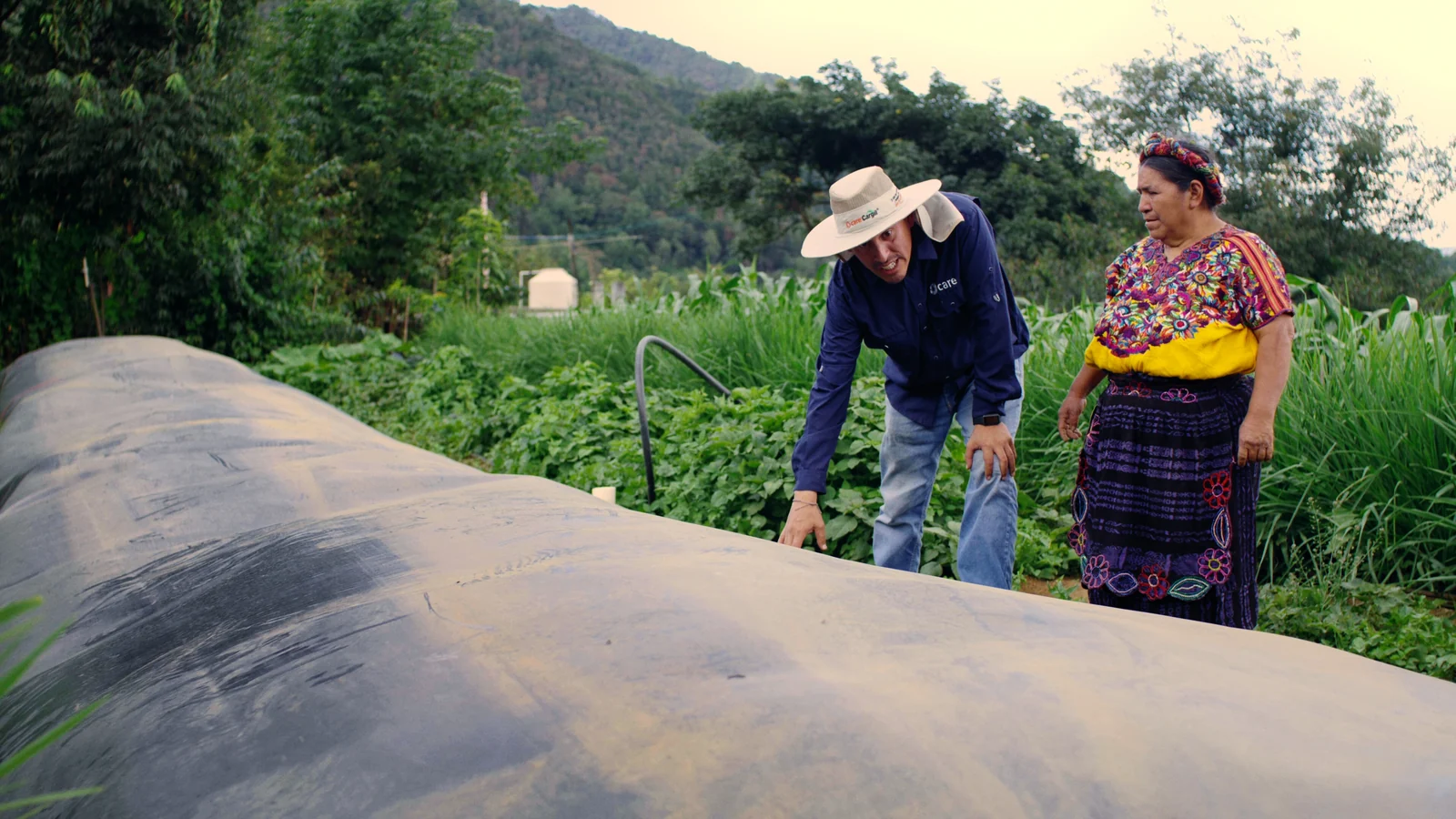
TRIPLE Q’s approach to corporate video
TRIPLE Q is an independent audiovisual production company based in Galicia. Our intention is not simply to make technically correct videos; we want to develop pieces with an identity.
Pieces that can be remembered for their cinematography, lighting, script, art direction, editing, colour treatment or concept.
Naturally, we adapt to each company’s language. An industrial brand does not need to communicate in the same way as a fashion label, and a technology company does not share the same codes as a cultural project.
Adapting does not mean abandoning creative judgement. Our approach begins with understanding the company and developing a solution specifically for it.
Shooting well is the minimum. The question that interests us after that is:
What can we do to give this piece something of its own?
Explore our corporate video production service, our video production services or tell us about your project.
Frequently asked questions about corporate video production companies in Pontevedra
Which company should I hire to produce a corporate video?
Look for a production company whose portfolio, methodology and creative approach fit the project. Proximity can be useful, but it should be secondary to quality and the team’s ability.
Do I need to have a script prepared?
No. You can contact a production company with only an objective or communication need. Concept, references and script can be developed during pre-production.
What should a corporate video quote include?
It should specify the scope, human and technical resources, shoot days, post-production, deliverables and any other relevant item.
How long should a corporate video be?
It depends on the medium, objective and structure. There is no universally appropriate duration. The piece should last as long as it needs to communicate the idea without adding material that offers no value.
Is it necessary to use cinema cameras?
Not always. Equipment choice depends on the project. Professional cameras expand certain possibilities, but judgement and skill remain fundamental.
Does TRIPLE Q work only in Pontevedra?
No. TRIPLE Q is based in Galicia and can consider projects in different parts of Spain and international collaborations according to production needs.
Conclusion: choose a production company that has something to contribute
When a business looks for corporate video production companies in Pontevedra, it may find different options able to shoot a competent piece. But that should only be the first condition.
A production company should bring organisation, technical command, reliable process and an idea.
When every business uses the same aesthetic, rhythm and way of telling a story, the result can be technically correct and completely forgettable.
At TRIPLE Q, we believe the work begins after the minimum is met. We do not want a piece simply to function. We want it to have a reason to be remembered.