Composition
Maintaining framing and the relationship between performers, spaces and visual elements throughout each take.
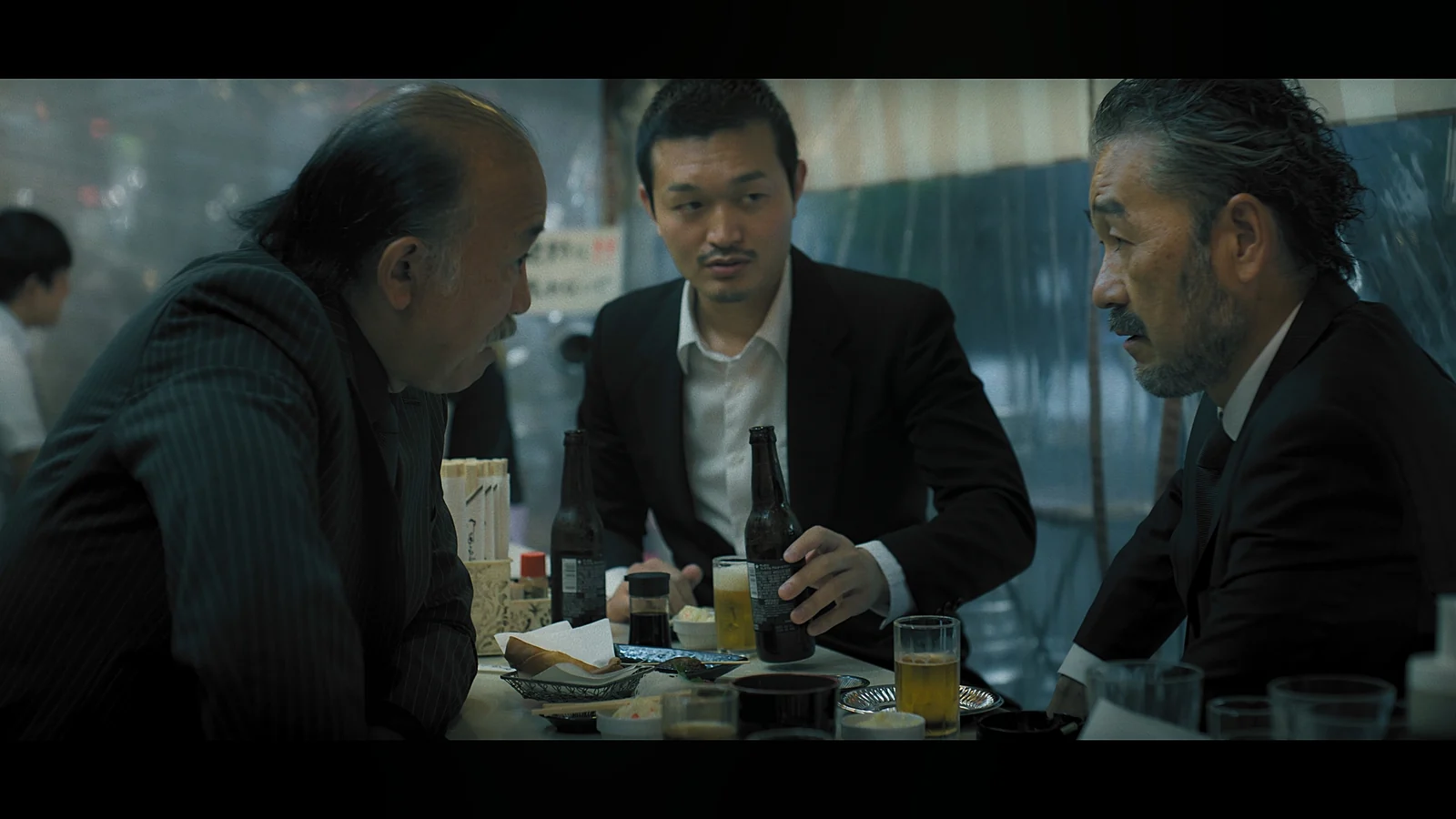
Camera operation for shoots that need precision, judgement and coordination.
A good camera operator does more than frame a shot.
They understand the intention behind it, read the movement, maintain visual continuity and execute the director’s and cinematographer’s decisions precisely on set.
TRIPLE Q provides camera operator services in Galicia for productions that need solid technical execution, visual judgement and the ability to work as part of a crew.
From compact teams to productions with larger departments.
CHECK AVAILABILITY ↗Every shoot has different needs.
Some projects need the camera to disappear. Others need movement, tracking, precision or a more physical operation.
The operator’s job is to turn a visual intention into a consistent execution on every take.
The camera is part of a larger structure. Our role is to make it work within it.
TRIPLE Q can join existing shoots as a freelance camera operator in Galicia.
This allows us to work with production companies, agencies, directors, cinematographers and creative teams that already have their production in place and need to strengthen the camera department.
We can join established crews or work within lighter structures depending on the project’s scale.
The service adapts to the shoot, not the other way round.
A camera operator is responsible for physically executing the shot according to the needs of direction and cinematography.
Maintaining framing and the relationship between performers, spaces and visual elements throughout each take.
Executing moves, pans, tracking shots and camera movement in a controlled, repeatable way.
Maintaining consistency between takes to support the edit and preserve the scene’s visual logic.
Working with direction, cinematography, focus puller, grip and other departments to execute each shot properly.
Resolving changes in position, rhythm, movement or blocking during the shoot.
Camera operation does not happen in isolation. It depends on understanding what the shot needs to achieve.
An operator should not impose a personal style on the production. Their role is to understand the project’s established visual language and execute it precisely.
If the image needs to be still, the camera should know how to disappear. If it needs tension, movement or proximity, the operation should support it. If the shot needs to be repeatable, the move needs to be reproducible.
Judgement lies in knowing when to intervene and when not to.
When a cinematographer is in place, camera operation works within an already defined visual strategy.
Framing. Movement. Lens choice. Height. Distance. Blocking. Rhythm.
Communication between cinematography and camera operation keeps intention and execution aligned.
TRIPLE Q also offers cinematography as an independent service, but the two roles answer different needs. The cinematographer designs the image. The operator executes it during the take.
Explore cinematography ↗On productions with a larger camera department, the operator works closely with the focus puller and assistants.
The operator concentrates on framing and movement. The focus puller keeps the image sharp where it needs to be. Assistants help ensure that camera, lenses, accessories and configuration are ready for every shot.
When each role is clear, the shoot can move forward with much greater precision.
Camera operation can be part of commercials, corporate video, music videos, narrative, documentary, branded content and audiovisual productions for companies.
Not every format needs the same way of operating. Some require precision and repeatability. Others call for quick reactions and the ability to adapt to less controlled situations.
That is why we work from the project’s real needs, not from a fixed formula.
Explore our commercial production, music videos, corporate video production, full-service video production or our filmmaking services.
The equipment used depends on the shoot. We do not believe that one particular camera determines the quality of a production on its own.
What matters is choosing a setup that can execute the planned shots properly.
Technical choices should serve the project’s visual language and production conditions, never the other way round.
The way a camera operator is booked depends on the scale and duration of the shoot. A project may need camera operation for a full day, several days or one specific part of the production.
To prepare a quote, we need at least:
With that information, we can check availability and propose the right collaboration.
REQUEST A QUOTE ↗TRIPLE Q works from Galicia and can join productions in Pontevedra, Vigo, Santiago de Compostela, A Coruña, Ourense, Lugo, Ferrol and other locations according to the shoot’s needs.
We do not operate as separate offices in each city. Galicia is our base, and the crew travels according to the project.
We can also join productions elsewhere in Spain when needed.
When camera operation works, the viewer does not think about it. They simply feel that the camera is exactly where it needs to be.
That is the aim. Not movement for its own sake. Not complexity where it is not needed. Each shot should be executed with intention, precision and coherence with the project.
Operating a camera is not simply about following an action. It is about understanding what a shot needs to say, then executing that intention precisely. At TRIPLE Q, we approach camera work through visual judgement, coordination and execution.
LET’S TALK ABOUT YOUR SHOOT ↗